
led dressing mirror
Understanding Tapering Gauges A Comprehensive Overview Tapering gauges are essential tools in various industries, particularly in manufacturing and engineering, where the precise dimensions of components are crucial. These gauges are specifically designed to measure the taper of cylindrical objects, enabling professionals to determine the fit and functionality of parts that require a certain degree of taper for optimal performance. In this article, we will delve into the purpose, types, applications, and significance of tapering gauges. What are Tapering Gauges? Tapering gauges, also known as tapered measuring tools, are instruments used to measure the angle and extent of tapering on a workpiece. Tapering refers to the gradual narrowing of an object, which is often seen in shafts, pipes, and other cylindrical components. The measurement provided by a taper gauge helps ensure that parts fit together correctly and function as intended within mechanical systems. These gauges can come in various forms, designed to accommodate different taper angles and sizes. Commonly, taper gauges may consist of a series of tapered blocks or thin plates that increase in thickness. Users can determine the taper by inserting the gauge into the tapered section of the workpiece to find where a snug fit occurs. Types of Tapering Gauges There are several types of tapering gauges available, each suited for specific applications 1. Plain Taper Gauges These are the most basic form. They contain a series of known taper angles that allow users to measure the angle of the taper on their workpiece and ascertain its acceptability based on industry standards. 2. Tapered Plug Gauges These gauges feature a tapered design that allows them to fit snugly into a hole or a recess. They are particularly useful for checking the internal taper of a bore or socket. 3. Adjustable Taper Gauges These are versatile tools that enable users to modify the taper angle as needed. They are beneficial for applications that require a range of taper measurements without needing multiple gauges. tapering gauges 4. Digital Taper Gauges With advancements in technology, digital taper gauges have emerged, offering precise measurements with electronic readouts. These provide ease of use and increased accuracy, making them a favorite among professionals. Applications of Tapering Gauges The applications of tapering gauges are widespread. In the manufacturing industry, they are used for - Quality Control Ensuring that components meet specified tolerances and standards for tapered surfaces, crucial for parts like fittings, valves, and pipes, where a proper fit is essential for function and safety. - Assembly During assembly processes, tapering gauges help in verifying that parts align correctly. This is especially important in industries such as automotive and aerospace, where precise engineering is critical. - Tool Making In tool-making workshops, taper gauges assist in the production of custom tools requiring specific tapering for performance, such as drill bits and taps. - Maintenance Maintenance personnel use tapering gauges to check the wear on components and assess whether they need replacement or repair. The Significance of Tapering Gauges The importance of tapering gauges cannot be overstated. They play a pivotal role in maintaining quality and efficiency in manufacturing processes. Accurate measurements lead to better fitting components, reducing the risk of malfunctions and improving overall system performance. Moreover, utilizing tapering gauges can minimize waste and rework, contributing positively to productivity and cost-effectiveness. In conclusion, tapering gauges are indispensable tools in various applications. Their specialized designs and various types accommodate the diverse needs of different industries. By ensuring accurate measurements and proper fits, tapering gauges significantly enhance the functionality of mechanical systems and contribute to the overall quality of manufactured products. As technology advances, these tools continue to evolve, promising even greater precision and usability for professionals in engineering and manufacturing sectors.
about
led dressing mirror
Professional Spirit Level Professionalism is a key component in any successful and fulfilling career. It is the steadfast commitment to maintaining high standards of conduct, efficiency, and expertise in one's work. This level of professionalism is often referred to as a spirit level – a measure of how well an individual embodies these qualities in their professional endeavors. A professional spirit level encompasses a variety of characteristics and behaviors that define a person's approach to their work. At its core, it involves a strong work ethic, dedication to excellence, and a willingness to go above and beyond to achieve success. Professionals who possess a high spirit level are often self-motivated, proactive, and take pride in their work. One of the key aspects of maintaining a professional spirit level is having a commitment to continuous learning and improvement. This involves staying up-to-date with industry trends, seeking out opportunities for professional development, and honing one's skills to stay relevant and competitive in the workplace. Professionals who are constantly seeking to improve themselves are more likely to excel in their careers and achieve their goals. Another important aspect of a professional spirit level is integrity and ethical behavior. This means being honest, transparent, and accountable in all professional interactions. Professionals with a high spirit level are trusted by their colleagues and clients because they consistently demonstrate integrity in everything they do professional spirit level . This trust is essential for building strong relationships and advancing in one's career. Additionally, professionals with a high spirit level are often excellent communicators. They are able to effectively convey ideas, collaborate with others, and build rapport with clients and colleagues. Clear and concise communication is key to success in any professional setting, and professionals who excel in this area are able to navigate complex situations and resolve conflicts with ease. Finally, maintaining a professional spirit level also involves having a positive attitude and a strong sense of resilience. Professionals who are able to maintain a positive outlook, even in the face of challenges and setbacks, are more likely to overcome obstacles and achieve success. Resilience is a key trait that allows professionals to adapt to change, learn from their mistakes, and continue to grow and develop in their careers. In conclusion, a professional spirit level is essential for success in any career. By embodying qualities such as a strong work ethic, dedication to excellence, continuous learning, integrity, effective communication, and a positive attitude, professionals can set themselves apart and achieve their full potential. It is only through maintaining high standards of professionalism that individuals can truly excel in their careers and make a positive impact in the workplace.
-

High quality industrial productsagement

High quality industrial products
View Details -

Meet the diverse needs of customers

Meet the diverse needs of customers
View Details -

Strict quality control

Strict quality control
View Details -

Top raw materials

Top raw materials
View Details -

Trusted supplier

Trusted supplier
View Details
Our application
news and information

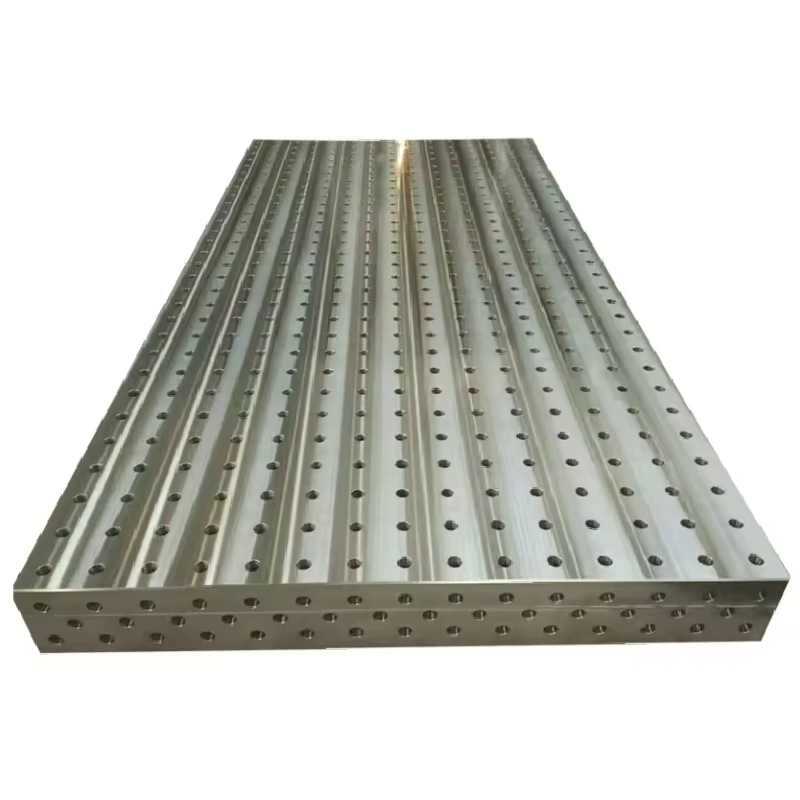
Welding Tables_ The Essential Tool for Precision and Durability
A welding table is a must-have for anyone involved in metalworking or fabrication. When it comes to

Vanne de contrôle à boule de 4 pouces
La vanne à clapet de 4 pouces un élément essentiel pour la régulation des fluides La vanne à clapet
Various Types and Functions of Water Control Valves Explained
Understanding Types of Water Control Valves Water control valves are critical components in plumbing
 English